Why Guests Bring Something to Share
Why guests bring something to share depends on the occasion; learn how food, help or a simple thank-you can express participation without adding pressure.

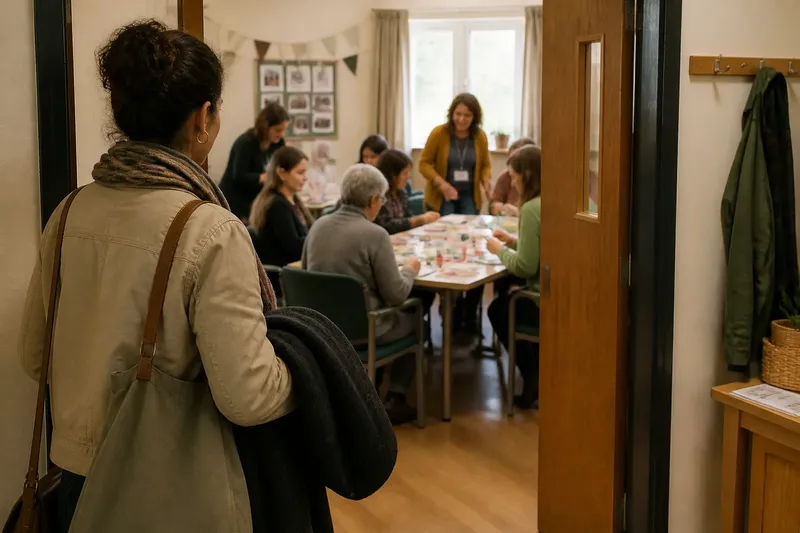
You set a loaf on the kitchen counter as other guests take off their coats. At a different gathering, the host has asked everyone to arrive empty-handed. Why guests bring something to share depends on the social meaning of the occasion: a contribution may express participation, but it is not a universal admission price.
Customs vary between families and communities, and even between two invitations from the same host. The useful question is not what every guest must bring, but how a gesture fits the gathering without turning hospitality into an account to settle.
Participation and belonging
A shared dish or a hand with the chairs can show that you see the occasion as something people make together. In some groups, bringing food is an ordinary part of joining in; in others, the host provides everything and guests contribute through their presence.
The gesture can carry personal meaning, too. A loaf from a local bakery might be part of a familiar family routine, while a dish associated with a holiday can invite conversation. Neither needs to represent every person’s background, and no guest should be pressed to explain a custom.
Let the invitation and the relationship guide you, rather than assuming that one tradition applies to every household.
Giving without keeping score
Reciprocity is not a bill. People take turns hosting, bring different kinds of help, or make room for one another in ways that do not have to match in cost or effort.
Someone who cannot cook might bring bread, help carry plates, or simply arrive when expected. Someone who has hosted a meal need not wait for an equal invitation in return. The point is mutual regard, not a tally of objects exchanged.
Say you have been invited to a shared lunch after a busy week. You message the organiser, who says extra napkins would be useful; you bring them, and the group has what it needs without adding a dish to the menu. That is one practical form of participation, not a rule that every guest must supply something.
Customs across gatherings
At a potluck, bringing food is usually part of the arrangement. At a family meal, the host may expect guests to contribute, or may prefer to cook for everyone. A formal dinner can have a carefully planned menu, while a casual picnic may leave room for bread, fruit or a shared game.
These differences are social customs, not rankings of generosity. “Bring a plate” signals a shared-food arrangement in many settings; “just come” and “please don’t bring anything” point in another direction. When the wording is unclear, ask once and take the answer at face value.
A short message such as “Would you prefer that I bring nothing, or is there a shared item planned?” gives the host a clear choice. If they say nothing is needed, let that settle the question.
Gestures beyond food
Contributions can be practical, social or symbolic. A guest might help set out cups, bring a game the group already enjoys, or send a thank-you afterwards. Such gestures are most comfortable when they fit the host’s plans and do not require immediate attention.
Flowers may need a vase; a bottle may not suit the household; a dish might need space in the oven. A modest present can still create work if the host has to stop greeting people to arrange it. If you offer help, name one task and accept a polite refusal without pressing.
Think about whether your gesture can be received easily at the moment it arrives.
Food and shared care
Food can connect people to a place, a family practice or a season, but shared tables do not require everyone to eat the same things. If you bring a dish, give a plain description of its main ingredients so guests can make their own choices.
Ask the organiser about dietary needs before deciding on food, and avoid promising that a dish is suitable for someone else. Consider serving too: a ready-to-eat dish with its own spoon is simpler than one that needs an unfamiliar utensil or last-minute preparation.
When food is not the right contribution, a clear offer of practical help—or no extra item at all—can be just as considerate.
What should I bring?
Should I bring something when asked not to?
Usually, respect the request and arrive without a dish or present. If you want to acknowledge the invitation, thank the host in person or send a message afterwards.
What works for a potluck?
Ask the organiser what the group still needs and choose an item that can be served with the available equipment. If there is no guidance, a ready-to-share dish is less likely to require last-minute work than one needing cooking or assembly.
Is a gift expected for dinner?
There is no rule that applies to every dinner invitation. Follow the host’s wording and the custom of your relationship; a sincere thank-you may be the fitting response when guests have been told to bring nothing.
What if I cannot cook?
Ask whether a practical item or a small task would help, but do not assume the host needs either. If they decline, join the gathering without treating your presence as a debt.
Choose a fitting gesture
Why guests bring something to share comes down to the meanings a particular group gives to participation, reciprocity and hospitality. A contribution may be welcome, expected or unnecessary; the invitation and the host’s answer help distinguish among them.
For your next invitation, check the wording and ask one direct question if it leaves a real uncertainty. Then let the gathering’s own custom guide you: the most considerate choice may be a shared dish, a small task, a thank-you or simply arriving ready to take part.