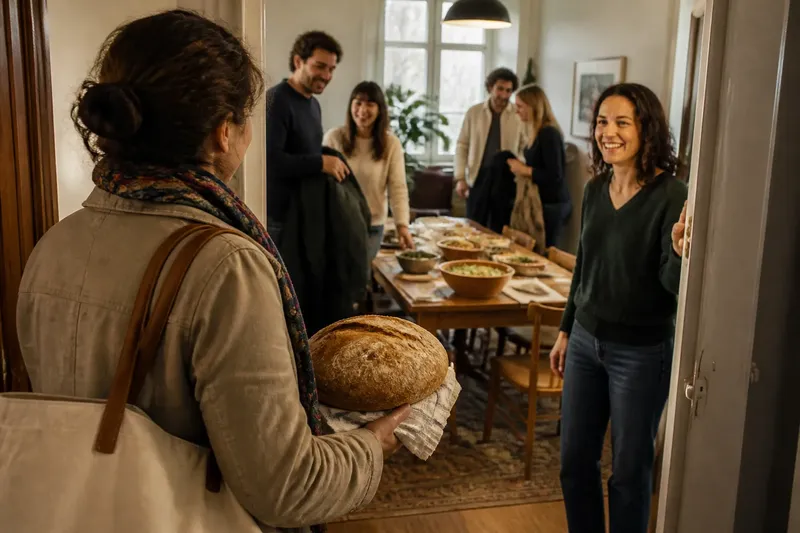
A Shared Table or a Long Supper? Choosing How Guests Eat Together
Compare a buffet with a seated supper to choose a meal layout that fits your room, menu and conversation, while keeping food easy to reach.
As guests come through the door, one reaches for a plate while another looks for a place to sit. Choosing between a buffet and a seated supper shapes what happens next: people move around the food, or settle in and share the meal together.
Buffet or seated supper
A buffet puts the dishes on display and lets guests decide what to take and when. It can suit staggered arrivals, a menu with several choices, or a gathering where people are likely to mingle between bites.
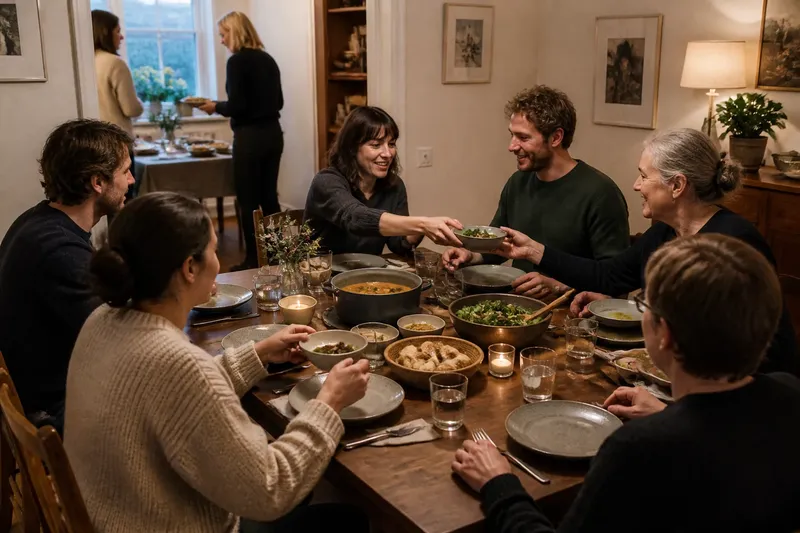
A seated supper gives the meal a shared centre. Guests stay at the table while food is served in courses or passed around, which can help conversation gather pace without regular trips across the room.
Neither layout is inherently more welcoming. A buffet can feel crowded if the serving area is poorly placed; a seated meal can feel confining if guests cannot reach dishes or move their chairs comfortably.
Room and movement
For a buffet, trace the route from the entrance to the serving table, then from the food to a place to sit. Keep that path clear of chairs, drinks and doorways. Put plates and cutlery where guests begin serving, and give people somewhere to pause without blocking others.
At a seated meal, leave room to pull out chairs and pass bowls. Place shared dishes where everyone can reach them, or arrange for someone to serve guests who would otherwise have difficulty. A meal should not depend on guests being able to carry a full plate or reach across the table.
Say your dining room has a narrow passage and the buffet would sit beside the doorway. Moving the spread to an open side room would give guests a clearer route; if there is no such space, serving food at the table avoids a queue in the passage.
Conversation and company
Guests at a buffet can choose where to sit and meet people outside their usual circle. The conversation may be lively but intermittent, as people leave to serve themselves or move to another part of the room.
A seated supper holds a group together for longer. The people beside and opposite each guest influence the conversation, so think about whether the table gives everyone an easy way to join in. For a small gathering centred on talking, seats can give the conversation a natural centre.
If you want both a shared meal and time to mingle, invite guests to sit for supper and move around afterwards. Clearing the plates marks a simple transition without making the evening feel over-planned.
Food and serving style
A buffet makes choice visible. Guests can compare dishes and select what appeals to them, while a seated meal puts more emphasis on sequence and shared pace. Consider whether the menu is best enjoyed as a spread or as a succession of dishes.
For a buffet, group serving utensils with their dishes and keep accompaniments beside the food they go with. For a seated meal, choose between passing bowls and serving portions in the kitchen. Passing dishes encourages participation; kitchen service can reduce reaching and keep the table clear.
Imagine a host has a pot of soup, bread and a salad, and wants everyone to eat while the soup is warm. They place the soup pot and bread on the dining table, then bring the salad once guests are seated. Guests pass the bread and serve themselves soup; the result is a shared meal with fewer trips away from the table, though the host needs to leave enough space for the dishes.
Choosing a meal layout
Check the practical details before settling on a buffet or seated supper. Each observation points to a choice, with an alternative if the first arrangement does not fit:
- Check whether guests arrive together or at different times; if arrivals are staggered, choose a buffet, or offer a small spread before a seated main meal.
- Check whether the serving route stays clear of doors and chairs; if it does, use a buffet, or move the food to a safer open area or serve at the table.
- Check whether guests can comfortably stand, carry a plate and reach the food; if they can, self-service may work, or arrange table service and help carrying plates.
- Check whether the menu works as a spread or in a sequence; if choosing among dishes is part of the meal, use a buffet, or serve courses at the table when timing matters.
- Check whether the room has enough seats and space for passing dishes; if it does, choose a seated supper, or use smaller tables and a separate serving point.
- Check whether guests are likely to mingle or focus on conversation; if mingling matters, leave room to circulate around a buffet, or seat everyone for the meal and invite movement afterwards.
Imagine six neighbours are arriving at different times, the only dining table seats four, and a clear side room has space for a serving table and chairs. The host places plates, cutlery and a vegetable tart on the side-room table, leaving the doorway clear, and sets out extra chairs nearby. The resulting choice is a buffet: everyone can serve themselves as they arrive, although the group will not all share the same conversation at once. If the side room had no clear route, the host could instead seat guests in smaller groups and bring dishes to them.
Questions about meal layouts?
Is a buffet less formal?
A buffet often feels relaxed because guests choose when to serve themselves and where to sit. The invitation, menu and room arrangement also shape the mood, so self-service need not make a meal feel careless.
Does a buffet suit a small gathering?
It can, provided the serving table is easy to reach and guests want to choose their own food. If the group mainly wants to talk, placing shared dishes on the dining table can offer choice without sending people across the room.
How can a seated meal feel relaxed?
Put shared dishes on the table and let guests choose their portions. Leave pauses for conversation rather than announcing every change in the meal.
Can guests mingle after supper?
Yes. Once the meal is finished, guests can move to another part of the room while the table is cleared. That gives everyone time to settle together before mingling.
A comfortable gathering
For a shared table or long supper, decide by picturing how guests will move from greeting to eating to conversation. A buffet fits a meal shaped by choice and movement; a seated supper suits a group that wants to share the same pace. In either case, leave a clear route and make it obvious where guests can find food, seats and help.
Before people arrive, walk the route they will take with a plate in hand. A chair that blocks a doorway or a serving spoon set at the far end of the table is easy to move now—and can make the meal more comfortable once conversation begins.